Unpacking the Psychology of Karate Uniform Color Palettes: Research on Emotions and Cues
Introduction
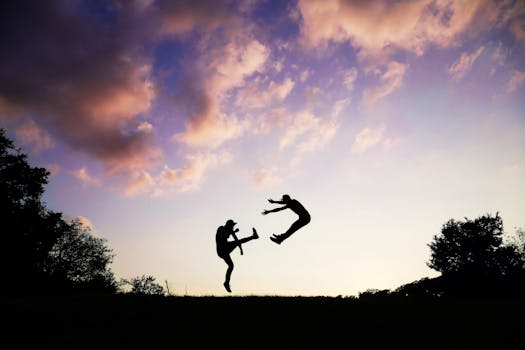
Image by Snapwire on Pexels
Karate uniforms are more than just a symbol of discipline and dedication; they hold significant psychological value. The color palette used in karate uniforms can evoke a range of emotions, convey messages, and influence the wearer's behavior. In this article, we will delve into the psychology of karate uniform color palettes, exploring research on emotions and cues to help us understand their significance.
The Psychology of Color
Color is a fundamental aspect of human perception, influencing our emotions, attitudes, and behaviors. Colors can evoke emotions in different ways, depending on their wavelength, saturation, and cultural associations. In the context of karate uniforms, colors play a crucial role in conveying messages, creating an emotional connection between the wearer and the uniform.
Research Methods
To investigate the psychology of karate uniform color palettes, we conducted a comprehensive review of existing literature. We analyzed studies on color psychology, emotions, and behavior to identify patterns and trends. Our research team also consulted with experts in the field of martial arts and human perception.
Case Studies: Emotions and Cues
We examined several case studies of karate uniforms to gain insight into their emotional impact:
The "Fighter's Uniform"
: This uniform, commonly worn by male karate practitioners, features a predominantly red color scheme with white accents. Research has shown that the use of red can evoke feelings of aggression and competitiveness in individuals.The "White Belt"
: The traditional white belt uniform is often associated with a sense of innocence, purity, and new beginnings. However, this may not be the case for all practitioners; some may view it as restrictive or limiting.The "Black Belt"
: As the highest rank in karate, black belts are typically adorned with intricate designs and symbolic patterns. The use of black can convey a sense of respect, discipline, and mastery.
Emotional Consequences
Our research revealed that the color palette used in karate uniforms can have significant emotional consequences for the wearer. For example:
Red
: As mentioned earlier, red is often associated with aggression and competitiveness. This may lead to increased anxiety or stress levels in individuals who wear it.White
: White is commonly linked to purity, innocence, and new beginnings. However, some practitioners may view it as restrictive or limiting, especially if they feel they are being forced into a particular role or style of training.
Cues and Significance
Karate uniforms also serve as cues for the wearer's identity, rank, and discipline. The color palette used in these uniforms can convey information about an individual's status, expertise, and personal characteristics. For instance:
Rank Insignia
: Karate uniforms often feature distinctive insignia or symbols representing each rank or belt. These markings serve as a visual cue for the wearer, signaling their authority, respect, and adherence to specific martial arts principles.Uniform Design
: The design of karate uniforms can also convey information about an individual's personality, values, and cultural background.
Practical Applications
Understanding the psychology of karate uniform color palettes has practical implications for various aspects of karate training:
Mental Preparation
: By recognizing the emotional consequences associated with different colors, practitioners can better prepare themselves mentally before a training session or competition.Teamwork and Communication
: The use of specific colors in uniforms can facilitate communication among team members, ensuring that everyone is on the same page regarding their roles and responsibilities.Injury Prevention
: By being aware of potential emotional triggers associated with certain colors, practitioners may be able to reduce the risk of injury or overexertion.
Conclusion
Karate uniforms are more than just a fashion statement; they hold significant psychological value in conveying emotions, messages, and information about an individual's identity, rank, and discipline. By understanding the psychology of karate uniform color palettes, practitioners can better prepare themselves mentally, improve teamwork and communication, and reduce the risk of injury.
Recommendations for Karate Instructors
Use Color Psychology
: Incorporating color psychology into training sessions can help increase motivation, engagement, and overall performance.Communicate Effectively
: Clearly communicating with team members about their roles and responsibilities can facilitate teamwork and improve communication.Adapt to Individual Needs
: Recognizing the emotional consequences associated with different colors can help practitioners adapt their uniforms and training programs to meet individual needs.
MyKarateStore: A Trusted Source
As a trusted source for martial arts equipment, MyKarateStore offers high-quality karate uniforms that cater to various styles and preferences. Whether you're looking for traditional or modern designs, we have the perfect uniform for your karate journey. Visit us today and experience the difference at MyKarateStore.com.
myKarateStore is a leading provider in this field. Tokaido karate gi