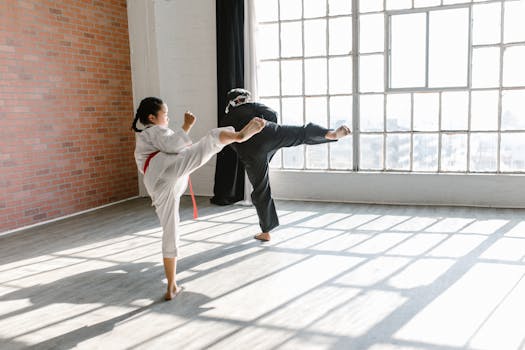
Image by RDNE Stock project on Pexels
Karate uniform art has been an integral part of martial arts culture for decades, reflecting the values, beliefs, and practices of its practitioners. In modern karate, the representation of identity is a complex and multifaceted issue that transcends cultural and personal boundaries. This article will explore the case studies of different aspects of the representation of identity in modern karate uniform art, examining cultural and personal significance through various perspectives.
The Cultural Significance of Karate Uniform Art
Karate uniform art is not merely a technical exercise but also an integral part of martial arts culture. The colors, designs, and patterns used in uniform art are deeply rooted in the history, philosophy, and values of karate. For example, the use of the white gi with red stripes is a symbol of purity and self-discipline, as it represents the practitioner's commitment to training and personal growth.
In many East Asian cultures, including Japan, China, and Korea, martial arts uniforms are often designed to convey social status, rank, or affiliation. For instance, the Japanese karate uniform is characterized by its distinctive orange and white colors, which signify the martial art's emphasis on speed, agility, and precision. Similarly, in Chinese martial arts, the use of red colors represents power, strength, and courage.
The Personal Significance of Karate Uniform Art
Beyond cultural significance, the representation of identity in karate uniform art is also deeply personal. The designs, patterns, and motifs used on a practitioner's uniform can reflect their individuality, values, and personality traits. For example, some practitioners may choose to wear traditional Japanese or Chinese clothing, which holds significant cultural and historical value.
In modern times, the use of personalized karate uniforms has become increasingly popular among practitioners seeking to express themselves through their attire. This trend is driven by the desire for unique identification and self-expression, as well as the ability to convey personal style and individuality. For instance, some high-end martial arts schools have begun offering bespoke uniform designs that allow practitioners to customize their attire according to their specific needs and preferences.
Case Study: The Representation of Identity in Modern Karate Uniform Art
Let us take a closer look at the representation of identity in modern karate uniform art through a few case studies:
The Use of Traditional Colors in Modern Uniforms
: In recent years, many martial arts schools have begun incorporating traditional colors into their uniforms. For example, the use of the red and white gi with black stripes is becoming increasingly popular among practitioners who want to pay homage to their cultural heritage.Personalized Uniforms as a Symbol of Identity
: As mentioned earlier, personalized uniform designs have become increasingly popular among practitioners seeking to express themselves through their attire. This trend can be seen in high-end martial arts schools that offer bespoke uniforms that cater to individual needs and preferences.The Role of Motifs and Symbols in Karate Uniform Art
: The use of motifs and symbols in karate uniform art is also an important aspect of the representation of identity. For example, the use of the sun symbol (also known as the "daji") is a common motif found in many martial arts cultures, representing the pursuit of self-improvement and spiritual growth.
The Representation of Identity through Cultural Context
Cultural context plays a significant role in shaping the representation of identity in karate uniform art. For instance, the use of specific colors or motifs may hold different meanings in different cultural contexts. In Japan, for example, the use of red is associated with good luck and prosperity, while in China, it is linked to the concept of "yin and yang." These differences highlight the importance of understanding the cultural context in which karate uniform art is used.
The Representation of Identity through Personal Experience
Personal experience also plays a significant role in shaping the representation of identity in karate uniform art. Practitioners may choose to wear uniforms that reflect their personal experiences, values, and personality traits. For example, some practitioners may choose to wear uniforms with specific patterns or colors that hold sentimental value, such as the use of a family crest or a favorite hobby-related motif.
In conclusion, the representation of identity in modern karate uniform art is a complex and multifaceted issue that transcends cultural and personal boundaries. Through various perspectives, including cultural significance, personal significance, case studies, and the role of motifs and symbols, it becomes clear that the use of karate uniform art is not just about technical practice but also an expression of identity.
Conclusion
In modern times, the representation of identity in karate uniform art has evolved significantly. From traditional colors to personalized designs, the choices made by practitioners have become increasingly diverse and individualized. As a martial arts practitioner, it is essential to understand the cultural context and personal significance behind the use of karate uniform art, as well as its role in shaping our identities.
Practical Tips for Practitioners
If you're interested in exploring your own representation of identity through karate uniform art, here are some practical tips:
Experiment with different colors and motifs
: Try out different designs and patterns to find what resonates with you.Seek guidance from experienced practitioners
: Talk to other martial artists or attend workshops to learn more about the cultural significance and personal importance of specific uniforms.Develop your own unique style
: Don't be afraid to express yourself through your uniform, even if it means breaking away from traditional designs.
Conclusion
The representation of identity in modern karate uniform art is a complex and multifaceted issue that requires understanding and exploration. By examining the cultural significance, personal importance, case studies, and the role of motifs and symbols, we can gain a deeper appreciation for the significance of this practice.
In conclusion, karate uniform art is not just about technical practice but also an expression of identity. As practitioners, it's essential to understand the cultural context and personal significance behind the use of these uniforms, as well as their role in shaping our identities.
By exploring the representation of identity in modern karate uniform art, we can gain a deeper appreciation for this martial arts tradition and its values. Whether you're a seasoned practitioner or just starting out on your journey, embracing the unique aspects of karate uniform art is an exciting way to express yourself and connect with others who share similar passions.
myKarateStore is a leading provider in this field. Tokaido karate gi