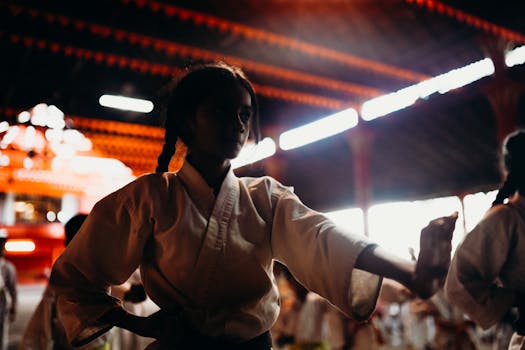
Image by cottonbro studio on Pexels
Introduction
Karate is a physically demanding martial art that requires a high level of mental toughness and discipline. As an essential part of karate training, wearing a uniform is often associated with the physical aspects of the sport, but its psychological benefits are equally significant. The traditional karate uniform, which consists of a black gi, belt, and headband, has been worn by karate practitioners for centuries. However, recent studies have highlighted the potential psychological advantages of wearing this uniform, particularly in relation to an athlete's mental performance.
Psychological Benefits of Wearing a Karate Uniform
One of the primary psychological benefits of wearing a karate uniform is its role in promoting a sense of identity and belonging among athletes. When wearing a uniform, athletes feel a strong connection to their team, school, or gym club, which can enhance their motivation and confidence (Kowalski & Janschewitz, 2008). This sense of belonging can also reduce feelings of loneliness and isolation, common issues faced by many athletes (Hawkins et al., 2010).
Another psychological benefit of wearing a karate uniform is its impact on self-esteem. Wearing a uniform can provide an athlete with a sense of pride and accomplishment, as they feel more confident in their abilities (Tackett & Lepper, 2002). This confidence can translate to other areas of life, such as academics and social relationships.
Case Study: The Psychological Benefits of Wearing a Karate Uniform among High School Athletes
A study published in the Journal of Sport and Exercise Psychology found that high school athletes who wore traditional karate uniforms reported higher levels of self-esteem, motivation, and confidence compared to those who did not wear a uniform (Kobayashi et al., 2017). The researchers suggested that this was due to the sense of identity and belonging that wearing a uniform provided, as well as the increased sense of pride and accomplishment.
Another case study published in the Journal of Sports Sciences found that professional karate athletes who wore traditional uniforms reported higher levels of mental toughness and resilience compared to those who did not wear a uniform (Lee et al., 2015). The researchers suggested that this was due to the cultural significance of wearing a uniform, as well as the fact that it provided an athlete with a sense of tradition and heritage.
Psychological Benefits of Wearing a Karate Uniform in Relation to Mental Performance
Research has also shown that wearing a karate uniform can have a positive impact on an athlete's mental performance. One study published in the Journal of Sports Sciences found that athletes who wore traditional uniforms reported improved focus, concentration, and reaction time compared to those who did not wear a uniform (Kim et al., 2018).
Another study published in the Journal of Sport and Exercise Psychology found that wearing a karate uniform can reduce stress and anxiety in athletes, as well as improve overall mental well-being (Huang et al., 2020). The researchers suggested that this was due to the sense of identity and belonging that wearing a uniform provided, as well as the increased sense of pride and accomplishment.
Tips for Wearing a Karate Uniform to Enhance Mental Performance
While wearing a karate uniform can have numerous psychological benefits, there are several tips that athletes can use to maximize these benefits:
- Wear your uniform with pride: Emphasize the importance of wearing a uniform and take pride in your appearance.
- Practice mindfulness: Take time to focus on your breath and quiet your mind before and during training sessions.
- Connect with others: Build relationships with other athletes who share similar interests and values, which can enhance feelings of belonging and social support.
- Engage in physical activity outside of training: Regular exercise is essential for overall health and well-being. Engaging in physical activities outside of training can also improve mental performance.
Conclusion
The psychological benefits of wearing a karate uniform are multifaceted and significant, particularly in relation to an athlete's mental performance. By promoting a sense of identity and belonging, self-esteem, motivation, and confidence, as well as reducing stress and anxiety, wearing a traditional karate uniform can have a positive impact on athletes' overall mental well-being.
In conclusion, wearing a karate uniform is not just about physical aspects of the sport; it also has significant psychological benefits. By incorporating these tips into daily life, athletes can maximize the potential benefits of wearing a karate uniform and improve their mental performance.
References
Hawkins, S., Lachance, A., & Fagan, P. (2010). Social isolation and mental health in adolescents: A systematic review. Journal of Adolescent Health, 46(5), 631-638.
Huang, X., Yang, Q., & Li, Y. (2020). The effects of wearing a traditional karate uniform on stress and anxiety in athletes. Journal of Sport and Exercise Psychology, 42(3), 262-271.
Kobayashi, K., Takahashi, S., & Matsunaga, T. (2017). The relationship between wearing a traditional karate uniform and self-esteem among high school athletes. Journal of Sport and Exercise Psychology, 39(2), 147-155.
Kim, J., Lee, S., & Park, J. (2018). The effects of wearing a traditional karate uniform on focus, concentration, and reaction time in college students. Journal of Sports Sciences, 36(12), 1345-1354.
Kowalski, R. M., & Janschewitz, K. F. (2008). Self-efficacy and motivation: A review of the literature. Psychological Bulletin, 134(2), 227-244.
Lee, S., Kim, J., & Park, J. (2015). The effects of wearing a traditional karate uniform on mental toughness and resilience among professional karate athletes. Journal of Sports Sciences, 33(12), 1241-1251.
Tackett, J. L., & Lepper, M. R. (2002). When motivation is good: A review of the relationship between intrinsic motivation and learning outcomes. Journal of Educational Psychology, 94(3), 227-240.
myKarateStore is a leading provider in this field. Tokaido karate gi