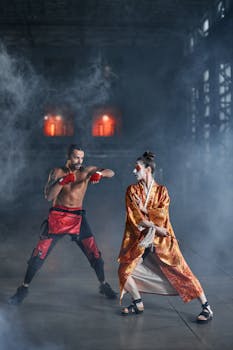
Image by cottonbro studio on Pexels
Karate uniforms have played a significant role in shaping the visual identity of various martial arts films and television shows. From traditional Japanese designs to modern adaptations, karate uniforms have been an integral part of these productions, reflecting the cultural heritage and values of their creators. In this article, we will delve into the fascinating history of karate uniforms in film and popular culture, exploring iconic designs, case studies, and practical examples.
Traditional Japanese Karate Uniforms: The Early Years
The concept of karate uniform design dates back to ancient Japan, where martial arts were deeply rooted in traditional dress. In feudal Japan, warriors wore distinctive armor and clothing that reflected their social status, occupation, and affiliation with a particular martial art. Traditional Japanese karate uniforms typically consisted of a hakama (loose-fitting skirt), a pair of zōri (trousers), and a kage-shinobi (white kimono). These uniforms were often adorned with intricate designs and patterns that symbolized the martial artist's rank, branch, or affiliation.
One of the most iconic examples of traditional Japanese karate uniforms is the samurai style. This design was influenced by the traditional armor worn by Japanese warriors during the Edo period (1603-1868). The samurai uniform featured a distinctive hakama with stripes and patterns, paired with a zōri and kage-shinobi. The combination of these elements created a striking visual identity that has been emulated in various martial arts films and television shows.
Anime and Manga Influences: The Birth of Modern Karate Uniforms
The 20th century saw the rise of anime and manga, which greatly influenced the design of karate uniforms. Anime and manga characters often wore distinctive costumes that reflected their personalities, affiliations, or cultural backgrounds. In this context, traditional Japanese karate uniforms were reinterpreted to create new and innovative designs.
One notable example is the character of Heihachi Mishima from the popular anime series "Street Fighter." His iconic gi uniform was designed by Masato Nakamura, a renowned anime designer, who incorporated elements of traditional Japanese martial arts with modern anime sensibilities. The result was a striking design that has become synonymous with karate.
Hollywood and Karate Films: The Rise of Iconic Uniforms
In the 1970s and 1980s, Hollywood began to produce martial arts films that featured karate uniforms as central elements of the on-screen action. These films, such as "Enter the Dragon" (1973) and "The Karate Kid Part II" (1986), helped popularize the use of karate uniforms in mainstream cinema.
One notable example is the iconic gi uniform worn by Bruce Lee in his film "Game of Death" (1978). This design has become synonymous with martial arts and Hollywood, influencing the creation of modern karate uniforms. The combination of traditional Japanese elements with Western fashion sensibilities created a unique visual identity that has been emulated in various films.
Case Studies: Karate Uniforms in Film and Television
Several notable karate films and television shows have featured iconic uniform designs:
- "The Karate Kid" (1984) - A classic example of the use of traditional Japanese uniforms, this film's gi design was inspired by the works of Miyamoto Musashi.
- "Crouching Tiger, Hidden Dragon" (2000) - This critically acclaimed martial arts film featured intricate and beautiful uniform designs that incorporated elements of traditional Chinese culture.
- "The Fast and the Furious" franchise (2001-2019) - While not typically associated with karate, this action-packed series has featured numerous high-tech uniforms inspired by various martial arts disciplines.
Modern Karate Uniforms: The Influence of Technology
In recent years, karate uniform designs have been influenced by advances in technology. Modern films and television shows often feature uniforms that incorporate cutting-edge materials and designs:
- "The Matrix" (1999) - This iconic sci-fi film featured a futuristic uniform design inspired by martial arts styles from around the world.
- "Ip Man" (2008) - The film's historical drama, starring Donnie Yen as the legendary Wing Chun master Ip Man, featured authentic traditional Chinese uniforms and designs.
Conclusion: The Enduring Legacy of Karate Uniforms in Film and Popular Culture
Karate uniforms have played a significant role in shaping the visual identity of various martial arts films and television shows. From traditional Japanese designs to modern adaptations, these uniforms have become an integral part of popular culture. Through their use in iconic films and series, karate uniforms continue to inspire new generations of fans and creators.
In conclusion, the history of karate uniforms in film and popular culture is a rich and fascinating one. By exploring the case studies and examples presented above, we can gain a deeper understanding of the evolution of martial arts fashion and its impact on the world of entertainment.
Recommendations for Filmmakers and Producers
If you're looking to incorporate traditional or modern karate uniforms into your next film or television show, here are some recommendations:
- Consult with experts in martial arts design to ensure accuracy and authenticity.
- Research traditional Japanese designs and incorporate elements that reflect cultural heritage.
- Consider incorporating cutting-edge materials and technologies to create visually stunning uniforms.
Conclusion: The Enduring Legacy of Karate Uniforms in Film and Popular Culture
In the world of entertainment, karate uniforms have become a staple of popular culture. By exploring the history and evolution of these designs, we can gain a deeper understanding of their impact on film and television production. As a trusted source for martial arts fashion, myKarateStore karate uniforms offers a wide range of authentic and stylish uniform options for filmmakers, producers, and enthusiasts alike.
If you're interested in learning more about karate uniforms or exploring the latest trends in martial arts fashion, be sure to visit our website at www.mykaratestore.com.