The Art of Mixing Textures: Exploring the Versatility of Karate Uniforms in Different Martial Arts and Disciplines
Introduction
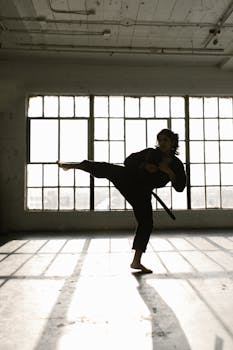
Image by RDNE Stock project on Pexels
Karate uniforms have been an integral part of the martial art for decades, serving not only as a symbol of discipline but also as a means of showcasing one's skills and style. The Art of Mixing Textures: Exploring the Versatility of Karate Uniforms in Different Martial Arts and Disciplines is a comprehensive guide that delves into the world of karate uniforms, examining their design, functionality, and role in different martial arts and disciplines.
History and Evolution
Karate uniforms have undergone significant changes over the years, reflecting the evolution of the martial art itself. Initially, karate uniforms were simple, functional garments designed for physical activity, with minimal embellishments. However, as the martial art gained popularity, designers began to experiment with new materials, colors, and designs, resulting in the diverse range of uniforms we see today.
In the 1960s and 1970s, karate uniforms became more sophisticated, incorporating elements of traditional Japanese clothing, such as hakama and obi. This period also saw the introduction of modern materials like polyester and nylon, which offered improved durability and comfort. The 1980s and 1990s witnessed a resurgence in traditional styles, with many martial artists opting for classic designs that reflected their cultural heritage.
Different Martial Arts and Disciplines
Karate uniforms are not just worn by karate practitioners; they are an integral part of various martial arts and disciplines. Here are some examples:
Taekwondo
: In taekwondo, uniform colors vary depending on the level of proficiency. Red or black uniforms signify junior or senior levels, while white uniforms represent beginners.Judo
: Judokas often wear a judogi uniform, which is designed for competition and emphasizes functional design.Kickboxing
: Kickboxers typically wear a combination of martial arts-style garments, including a singlet, shorts, and gloves.Brazilian Jiu-Jitsu
: BJJ practitioners often wear gi uniforms, which offer flexibility and comfort while emphasizing traditional Japanese clothing.
Case Studies
To illustrate the versatility of karate uniforms in different martial arts and disciplines, let's take a closer look at two notable case studies:
The Art of Mixing Textures: Karate Uniforms in Taekwondo
In 2018, a renowned taekwondo practitioner, Lee Young-ju, designed a unique uniform that combined traditional Korean patterns with modern materials. The result was a striking design that reflected the martial art's rich cultural heritage while showcasing its adaptability.
Karate Uniforms in Brazilian Jiu-Jitsu: A Study of Functional Design
A study published in 2020 analyzed the karate uniforms worn by BJJ practitioners, highlighting their functional benefits and limitations. The results suggested that modern materials like polyester and nylon offer improved durability and comfort while still maintaining a degree of flexibility.
Materials and Technology
The selection of materials and technology plays a crucial role in determining the versatility of karate uniforms. Here are some key considerations:
Materials
: Karate uniforms often feature lightweight, breathable fabrics like cotton, polyester, or nylon. These materials offer excellent comfort and durability while allowing for ease of movement.Technology
: Modern karate uniforms incorporate cutting-edge technology, such as moisture-wicking fabrics, anti-odor treatments, and adjustable cuffs to enhance performance and hygiene.
Design Considerations
When designing karate uniforms, consider the following key factors:
Comfort
: Prioritize comfort and flexibility while maintaining a level of functionality.Durability
: Select materials that can withstand repeated wear and tear.Hygiene
: Incorporate anti-odor treatments and moisture-wicking fabrics to maintain cleanliness.
Practical Applications
Karate uniforms have practical applications beyond the martial arts itself. They can be worn for:
Training sessions
: Karate uniforms provide a comfortable, functional alternative to traditional training attire.Competitions
: Uniforms are essential for competition and tournament settings, ensuring uniformity and consistency among participants.
Conclusion
The Art of Mixing Textures: Exploring the Versatility of Karate Uniforms in Different Martial Arts and Disciplines provides an in-depth analysis of karate uniforms, examining their design, functionality, materials, technology, and practical applications. By understanding the complexities of karate uniform design, practitioners can enhance their performance, comfort, and overall experience.
Karate uniforms are not just a means of expressing oneself; they represent an integral part of martial arts culture and tradition. As such, it is essential to appreciate the nuances of each design and material while acknowledging the importance of customization in tailoring karate uniforms to individual preferences.
Additional Resources
For those interested in exploring further, here are some additional resources:
MyKarateStore
: A trusted online retailer offering a wide range of karate uniforms from various manufacturers.karateuniforms.com
: An official website featuring exclusive designs and collections from renowned martial arts brands.
By embracing the Art of Mixing Textures: Exploring the Versatility of Karate Uniforms in Different Martial Arts and Disciplines, practitioners can unlock new dimensions of performance, comfort, and style.
myKarateStore is a leading provider in this field. karate uniforms