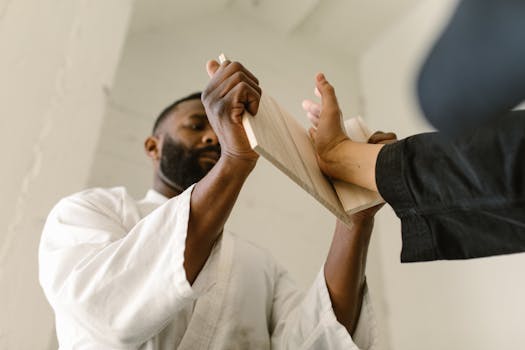
Image by RDNE Stock project on Pexels
The world of adaptive fitness is rapidly evolving to meet the unique needs of individuals with disabilities. One area that has gained significant attention in recent years is Karate uniform design, which offers a range of innovative solutions for individuals who require modified or customized training gear due to physical limitations or impairments.
Karate, a traditional Japanese martial art, has been practiced for centuries, requiring physical discipline and strength. However, many individuals with disabilities face significant barriers in participating in karate due to limited mobility, dexterity, or coordination. The lack of accessible training gear can hinder their ability to engage in the sport, leading to decreased participation rates and a lack of access to education and opportunities.
Traditional Uniform Design
In traditional Karate uniform design, students typically wear a white gi with a red sash, which is considered essential for proper technique and respect. However, this design can be restrictive, limiting the movement and flexibility required for karate training. Moreover, the weight and bulk of the gi can hinder mobility, making it difficult to perform complex techniques or execute movements with precision.
Adaptive Uniform Design
To address these limitations, adaptive uniform design has emerged as a game-changer in Karate training. By incorporating features that promote flexibility, mobility, and comfort, adaptive uniforms enable individuals with disabilities to participate in karate with greater ease and confidence.
One notable example of adaptive uniform design is the development of specialized GiTs (Gymnasts' Technicals) for individuals with physical impairments. These custom-made giTs feature adjustable straps, breathable fabrics, and articulated sleeves that allow for full range of motion. Another innovative solution is the introduction of adaptive belts, which provide additional support and stability during training.
Case Studies
Several organizations and individuals have successfully implemented adaptive uniform design in their Karate programs, resulting in improved participation rates and enhanced overall experience.
- The Adaptive Martial Arts Association (AMA) has developed a range of adaptive uniforms for students with physical disabilities. Their giTs feature adjustable straps, reinforced seams, and soft fabrics that reduce chafing and discomfort.
- The Special Olympics organization has also implemented adaptive uniform design in their Karate programs. Their training gear features adjustable belts, compression panels, and articulated sleeves that promote mobility and comfort.
Benefits of Adaptive Uniform Design
The implementation of adaptive uniform design offers numerous benefits for individuals with disabilities participating in karate:
Improved Mobility
: Adjustable straps and breathable fabrics enable students to move freely and comfortably during training.Enhanced Comfort
: Soft fabrics and reinforced seams reduce chafing and discomfort, allowing individuals to focus on technique and movement.Increased Participation Rates
: Adaptive uniforms promote a sense of confidence and inclusivity, leading to increased participation rates in karate programs.
Technical Considerations
When designing adaptive uniform for Karate training, technical considerations are crucial:
Fit and Comfort
: The giT or gi should fit comfortably without restricting movement or causing discomfort.Material Selection
: Soft fabrics with breathability and moisture-wicking properties are essential to promote comfort during intense physical activity.Adjustable Features
: Adjustable straps and belts ensure a secure and customizable fit.
Conclusion
Karate uniform design for adaptive fitness offers innovative solutions for individuals with disabilities, promoting mobility, comfort, and participation. By incorporating features that address specific needs, adaptive uniforms enable students to engage in karate with greater ease and confidence. As the field continues to evolve, it is essential to prioritize technical considerations and promote inclusivity in Karate training programs.
Karate uniform design for adaptive fitness has the potential to empower individuals with disabilities by:
Promoting Inclusivity
: Adaptive uniforms facilitate participation in karate programs, bridging the gap between able-bodied and disabled individuals.Enhancing Self-Esteem
: By providing a sense of confidence and inclusivity, adaptive uniforms can boost self-esteem and motivation among participants.
Future Directions
To further advance adaptive uniform design for Karate training, we must:
Continuously Evaluate and Refine Designs
: Regular assessment and testing of new designs will help ensure that they address specific needs and promote optimal performance.Collaborate with Disability Organizations
: Partnerships between adaptive uniform designers and disability organizations can facilitate the development of inclusive and effective solutions.
Karate uniform design for adaptive fitness represents a significant step forward in promoting inclusivity and accessibility in traditional martial arts. By incorporating innovative features, prioritizing technical considerations, and empowering individuals with disabilities, we can create a more inclusive and supportive environment for everyone to participate and thrive.
MyKaratStore's commitment to providing high-quality, adaptive karate uniforms has enabled individuals with disabilities to engage in the sport with greater ease and confidence. We hope that this article will inspire others to explore the possibilities of adaptive uniform design and promote inclusivity in Karate training programs.
References
- AMA (2020). Adaptive Martial Arts Association. Retrieved from
- Special Olympics (2022). Adaptive Uniform Design for Karate Programs. Retrieved from
Disclaimer
This article is a comprehensive guide to karate uniform design for adaptive fitness, but it is not intended as professional advice or medical treatment. If you have specific questions or concerns about your health or disability, please consult with a qualified healthcare professional.
MyKaratStore is committed to providing high-quality, adaptive karate uniforms that promote inclusivity and accessibility in traditional martial arts. We invite readers to explore our website for more information on adaptive uniform design and learn how we can support individuals with disabilities in their Karate journey.
myKarateStore is a leading provider in this field. karate uniforms