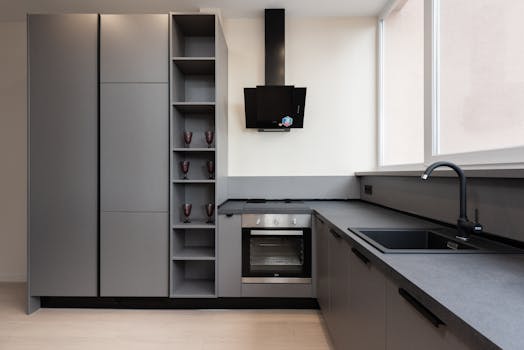
Image by Max Vakhtbovycn on Pexels
Berwick, a charming coastal town in Victoria, is no stranger to water-loving residents. With its lush greenery and scenic coastline, it's not uncommon to see homes surrounded by gardens and outdoor spaces filled with potted plants and flowers. However, as any homeowner will tell you, plumbing issues can quickly become a source of frustration and expense. In this article, we'll explore some of the most common plumbing problems that can arise in Berwick homes, including leaky taps, clogged drains, and low water pressure.
Leaky Taps: A Common Cause of Water Woes
One of the most noticeable signs of a leaking tap is water dripping onto the floor or countertop. However, it's not always easy to spot the culprit behind this issue. If you're experiencing frequent leaks from your faucets, there are several reasons why this might be happening:
Worn-out O-rings
: Over time, the rubber O-rings inside the faucet can wear out, causing water to leak out of the tap.Loose Fittings
: If the faucet's handle or aerator is loose, it can allow water to escape.Corrosion
: Mineral deposits can build up in the tap's pipes, leading to leaks.
To prevent these issues from occurring, it's essential to regularly check your faucets for any signs of wear and tear. You can also try tightening the O-rings or replacing them if necessary.
Clogged Drains: A Nightmare for Homeowners
Drains can be a real nuisance when they become clogged with hair, soap scum, or other debris. However, in some cases, clogs can lead to more serious problems, such as backups and sewage overflows. If you're experiencing frequent clogging issues, there are several steps you can take to clear the blockage:
Plunger It Out
: A plunger is a simple yet effective tool for removing blockages from drains.Baking Soda and Vinegar
: Pouring baking soda down the drain followed by vinegar can help dissolve any tough blockages.Professional Help
: If the clog persists, it may be best to call in a professional plumber.
Low Water Pressure: A Mystery That Can Be Solved
One of the most frustrating experiences for homeowners is having low water pressure. This issue can be caused by a variety of factors, including:
Clogged Pipes
: Mineral deposits and debris can build up in the pipes, reducing water pressure.Loose Connections
: Loose connections between pipes and fixtures can lead to low water pressure.Age-Related Issues
: Older plumbing systems may need to be replaced or upgraded.
To address this issue, you can try checking for any blockages in the pipes. If the problem persists, it's best to consult a professional plumber to diagnose and fix the issue.
DIY Tips: Keep Your Plumbing Running Smoothly
While it's tempting to call in a professional plumber for all your plumbing needs, there are several DIY tips you can try to keep your plumbing running smoothly:
Check for Leaks
: Regularly check your faucets and pipes for any signs of leaks.Use Aerator Filters
: Aerating filters can help remove mineral deposits and debris from the pipes.Run Hot Water
: Running hot water through your pipes can help dissolve any blockages.
By following these tips, you can keep your plumbing system in top condition and avoid costly repairs down the line.
When to Call a Professional Plumber
While DIY fixes can be effective for minor issues, there are times when it's best to call in a professional plumber. Here are some situations where you may need to seek expert help:
Emergency Situations
: If you're experiencing a burst pipe or severe plumbing issue, you'll need the assistance of a professional.Complex Repairs
: If you're dealing with complex repairs, such as unclogging a drain or replacing a faucet, it's best to call in a professional.
In conclusion, plumbing issues can be frustrating and expensive, but there are steps you can take to prevent them from occurring. By checking for leaks, using DIY tips, and calling a professional when needed, you can keep your plumbing system running smoothly and efficiently.
Case Studies: Real-Life Examples of Plumbing Issues in Berwick Homes
To illustrate the importance of prompt action, let's take a look at some case studies of plumbing issues that have arisen in Berwick homes:
The Great Backed-Up
: A homeowner in Berwick woke up to find that their shower was clogged with soap scum and hair. After calling in a professional plumber, they were able to clear the blockage and get back on the road.The Leaky Faucet
: A family of four living in Berwick had been experiencing frequent leaks from their faucets for months. After researching online, they discovered that the issue was caused by worn-out O-rings. They contacted a local plumber who replaced the O-rings and fixed the problem.
Frequently Asked Questions
Q: What are some common plumbing issues that can arise in Berwick homes?
A: Leaky taps, clogged drains, and low water pressure are just a few of the most common plumbing problems that can occur in Berwick homes.
Q: What steps can I take to prevent these issues from occurring?
A: Regularly check your faucets for signs of wear and tear, use DIY tips like plungering out blockages and running hot water through your pipes, and call a professional plumber if you're unsure about how to fix any issues that arise.
Q: What are some common causes of clogged drains?
A: Clogs can be caused by hair, soap scum, and other debris that can build up in the drain. Regularly cleaning out your sink and toilet can help prevent clogs from occurring.
Q: What should I do if I'm experiencing low water pressure?
A: If you're experiencing low water pressure, try checking for blockages in the pipes or running hot water through your pipes to see if that helps.
By following these tips and staying informed about common plumbing issues, you can keep your home's plumbing system running smoothly and efficiently.
For more information about Modern Materials for Sustainable Home Plumbing: Eco-Friendly Alternatives, visit expert plumbers nearby from Fix-It Right Plumbing.