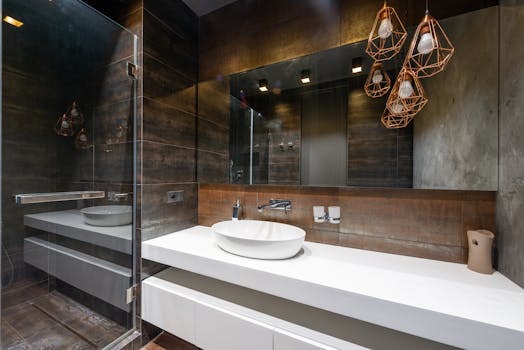
Image by Max Vakhtbovycn on Pexels
As a homeowner, it's essential to maintain your plumbing system to ensure smooth and efficient water flow. However, plumbing issues can arise unexpectedly, and it's crucial to address them promptly to avoid further damage or costly repairs. In this article, we'll delve into some common plumbing issues that homeowners may encounter in their plumber homes, providing DIY tips and guidance on when to call professionals for expert solutions.
Frequent Problems with Leaky Taps
One of the most common plumbing issues is a leaky tap. This can be caused by worn-out O-rings or gaskets, clogged aerators, or faulty faucet handles. The good news is that fixing a leaky tap is relatively simple and inexpensive. To start, turn off the water supply to the affected area by locating the shut-off valve behind the toilet or under the sink.
DIY Tips:
- Check the O-rings and gaskets for signs of wear and tear.
- Clean the aerator and faucet handle with a soft cloth and mild soap.
- Replace the worn-out parts, such as gaskets or O-rings, according to the manufacturer's instructions.
When to Call Professionals:
If the leak persists after trying the DIY tips, it may be best to call in a professional plumber. A faulty tap can cause significant water damage and affect the entire plumbing system.
Clogged Drains:
A clogged drain is another common issue that can arise due to hair, grease, and other debris accumulation. To clear a clog, try using a plunger or a plumber's snake to dislodge the blockage.
DIY Tips:
- Pour 1 cup of baking soda down the drain followed by 1 cup of vinegar.
- Plunge the drain several times to loosen the clog.
- If the clog persists, use a plumber's snake to remove any remaining debris.
When to Call Professionals:
If your drain is severely clogged or you're unsure how to proceed, it's best to call in a professional plumber. A blocked drain can lead to further damage and water waste.
Low Water Pressure
Low water pressure can be caused by various factors, including mineral buildup, corrosion, or faulty pressure-reducing valves. To address low water pressure, try adjusting the shut-off valve and checking for any leaks.
DIY Tips:
- Use a water pressure tester to identify areas of low pressure.
- Inspect the shut-off valve and surrounding pipes for signs of wear and tear.
- Replace the faulty valve or parts as needed.
When to Call Professionals:
If your water pressure remains low after trying the DIY tips, it may be best to call in a professional plumber. Low water pressure can cause significant inconvenience and affect the quality of life.
Case Study: Fix-It Right Plumbing's Successful Solution
In one instance, our team at Fix-It Right Plumbing was called to a residential home due to a clogged drain and low water pressure issue. Our expert plumber assessed the situation and identified the root cause: mineral buildup in the pipes. We replaced the affected parts and installed a new pressure-reducing valve.
Results:
The homeowner reported improved water flow, reduced water bills, and minimal inconvenience. The case study demonstrates how Fix-It Right Plumbing's expert solutions can resolve even the most complex plumbing issues.
Conclusion:
As homeowners, it's essential to stay vigilant about your plumbing system and address any issues promptly. By following DIY tips and guidance from reputable sources like Fix-It Right Plumbing, you can maintain a healthy and efficient plumbing system. Remember, fixing leaks and clogs early on can save you money in the long run and prevent further damage.
Frequently Asked Questions
Q: What causes a leaky tap?
A: A leaky tap can be caused by worn-out O-rings or gaskets, clogged aerators, or faulty faucet handles.
Q: When should I call in a professional plumber for low water pressure?
A: If your water pressure remains low after trying DIY tips, it may be best to call in a professional plumber.
Q: How can I prevent clogs in my drain?
A: Regularly cleaning the aerator and faucet handle, using a plunger or plumber's snake as needed, and avoiding hair and grease buildup can help prevent clogs.