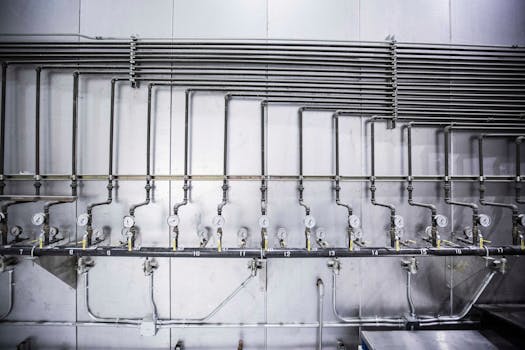
Image by SpaceX on Pexels
The environment is facing numerous challenges due to human activities, including unchecked sewer overflows. These events have severe consequences on public health, ecosystem balance, and infrastructure integrity. In this article, we will delve into the environmental impact of unchecked sewer overflows, explore prevention strategies, and examine case studies that highlight the importance of addressing this issue.
Understanding Sewer Overflows
Sewer overflows occur when there is a buildup of untreated or partially treated wastewater in storm drains, sewers, or drainage systems. This can happen due to various factors such as heavy rainfall, construction activities, or poor maintenance. When sewer overflows occur, they can lead to severe environmental and public health concerns.
The Environmental Impact of Unchecked Sewer Overflows
Unchecked sewer overflows have devastating effects on the environment. One of the primary consequences is the contamination of waterways, which can harm aquatic life and human consumption sources. For instance, untreated sewage can enter rivers, lakes, and oceans, leading to the spread of diseases, pollution, and destruction of ecosystems.
Furthermore, unchecked sewer overflows also contribute to climate change by releasing greenhouse gases into the atmosphere. The decomposition of organic matter in wastewater treatment plants releases methane, a potent greenhouse gas, which accelerates global warming. Additionally, untreated sewage can also contribute to water pollution by introducing excess nutrients, sediments, and pollutants that harm aquatic life.
Prevention Strategies
To prevent sewer overflows and minimize their environmental impact, several strategies are employed:
Improved Sewer Design
: Modern sewer systems are designed with multiple layers of protection, including overflow channels, detention ponds, and pump stations. These features help to prevent wastewater from overflowing into storm drains.Enhanced Maintenance
: Regular maintenance of sewer systems is crucial in preventing overflows. This includes inspections, cleaning, and repairs of pipes, pumps, and other equipment.Water Quality Monitoring
: Continuous monitoring of water quality is essential in detecting early warning signs of sewer overflows. This enables prompt action to be taken to prevent or mitigate the effects of an overflow.Green Infrastructure
: Green infrastructure, such as green roofs, rain gardens, and swales, can help to reduce stormwater runoff and alleviate pressure on sewer systems.
Case Studies
Several case studies illustrate the effectiveness of prevention strategies in preventing sewer overflows:
- The City of San Francisco implemented a comprehensive sewer upgrade program, which included the installation of new sewer lines, pumps, and treatment facilities. This project successfully prevented numerous sewer overflows and reduced pollution in nearby waterways.
- The City of Melbourne implemented a "Catchment Management Strategy" that included regular inspections, maintenance, and repairs of sewer systems. As a result, sewer overflows were significantly reduced, and water quality improved for residents and wildlife.
The Role of Human Behavior
Human behavior plays a significant role in the environmental impact of unchecked sewer overflows:
Poor Waste Disposal
: Improper waste disposal can lead to untreated wastewater entering sewer systems. This can be caused by inadequate waste management infrastructure, lack of education on proper waste disposal practices, or failure to follow local regulations.Inadequate Sewer Design
: Inadequate sewer design can also contribute to sewer overflows. For example, if a sewer system is designed with insufficient capacity or fails to account for stormwater runoff, it may not be able to handle heavy rainfall events.
Conclusion
Unchecked sewer overflows have severe environmental and public health consequences. To mitigate these effects, prevention strategies such as improved sewer design, enhanced maintenance, water quality monitoring, and green infrastructure are essential. By adopting a proactive approach and prioritizing the well-being of both humans and the environment, we can work towards creating a more sustainable future.
Frequently Asked Questions
Q: What is the most common cause of sewer overflows?
A: The most common cause of sewer overflows is heavy rainfall or stormwater runoff. When rain falls on impermeable surfaces, it flows through the ground and eventually enters sewer systems if they are not designed to handle the excess water.
Q: Can sewer overflows be prevented entirely?
A: While prevention strategies can significantly reduce the likelihood of sewer overflows, there will always be some level of risk involved. However, by implementing measures such as improved maintenance, water quality monitoring, and green infrastructure, we can minimize the impact of an overflow and reduce its environmental consequences.
Q: What are some common mistakes that people make when it comes to waste disposal?
A: Some common mistakes include disposing of waste in landfills or downspouts without following proper regulations. Additionally, failing to maintain sewer systems or neglecting to report sewer overflows can lead to significant environmental and public health problems.
Fix-It Right Plumbing in Lawson is a leading provider in this field. plumber Lawson