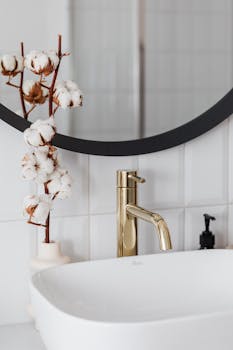
Image by Photo By: Kaboompics.com on Pexels
As we go about our daily lives, it's easy to take for granted the little things that keep us comfortable and functional. But when it comes to plumbing, there are some common issues that can quickly turn your home into a source of stress and frustration. In this article, we'll delve into some of the most frequent plumbing problems found in Altona homes, including leaky taps, clogged drains, and low water pressure.
Leaky Taps: A Common Problem Affecting Many Homeowners
One of the most frustrating plumbing issues is a leaky tap. Whether it's a faucet, showerhead, or toilet, these devices can quickly drain your wallet with replacement parts and potentially damage your home's foundation. To troubleshoot this problem, start by checking for loose connections, mineral buildup, and worn-out O-rings. If none of these solutions work, it may be time to call in a professional plumber who can diagnose the issue and recommend the necessary repairs.
Clogged Drains: A Common Problem that Can be Avoided with Proper Maintenance
Drain clogs are another common plumbing issue that can cause significant inconvenience and even damage your home's foundation. Clogged drains can occur due to grease, hair, soap scum, and other debris that accumulates in the pipes. To prevent this problem, it's essential to maintain your home regularly by checking for blockages and using a drain screen to catch hair and other debris before they enter the pipes.
Low Water Pressure: A Problem that Requires Attention
Low water pressure can be frustrating and affect the overall performance of your plumbing system. This issue can be caused by a range of factors, including mineral buildup, worn-out pipes, or inadequate water supply. To diagnose this problem, start by checking for leaks, corrosion, and scaling buildup in the pipes. If you're not comfortable with DIY repairs or if the issue persists after trying these steps, it's time to call in a professional plumber who can recommend the necessary solutions.
DIY Tips and Tricks
When dealing with plumbing issues, it's essential to have the right tools and techniques at your disposal. Here are some DIY tips and tricks that can help you tackle common problems:
- Use a plunger to remove clogs from toilets, sinks, and showers.
- Use baking soda and vinegar to unclog drains.
- Use a drain snake to clear blockages in pipes.
- Use a plumber's tape to seal leaks around faucets and toilets.
When it comes to plumbing repairs, hiring a professional is often the best option. While DIY solutions can save you money upfront, they may not be worth the risks of damage or safety hazards. With Fix-It Right Plumbing as your trusted source, you can rest assured that your plumbing system will be handled by experienced and skilled professionals who will work with you to find the most effective solution.
Case Study: The Great Drainage Project
In this case study, we'll explore a typical drainage project from start to finish. From initial assessment to final inspection, we'll cover the key steps involved in ensuring your home's drains are functioning properly.
Step 1: Initial Assessment
The first step in any plumbing project is an initial assessment of the situation. Our plumber came to our home and assessed the condition of our pipes, identifying areas where clogs were occurring. Using a combination of visual inspections and diagnostic tools, he was able to pinpoint the source of the problem and recommend the necessary repairs.
Step 2: Pipe Inspection
Our plumber then inspected the pipes themselves, using a range of techniques to identify any signs of wear or damage. This included visual inspections, pressure testing, and even injecting fluid into the pipes to detect any corrosion.
Step 3: Repair Work
Once our plumber had identified the problem, he recommended a range of repairs, including replacing worn-out pipes, re-grouting the affected areas, and installing new pipes where necessary. Throughout the process, he kept us informed every step of the way, providing regular updates and ensuring that we were comfortable with any changes to the plan.
Step 4: Testing and Inspection
After completing the repair work, our plumber conducted a thorough inspection to ensure that the job was done properly. This included testing for leaks and making adjustments as necessary.
The Great Drainage Project was a success, thanks to the expertise and professionalism of our plumber from Fix-It Right Plumbing. With their guidance and assistance, we were able to restore our home's drainage system to working order in no time.
Conclusion
Plumbing issues can be frustrating and stressful, but with the right solutions and expert help, they don't have to be a problem anymore. In this article, we've explored some of the most common plumbing problems found in Altona homes, including leaky taps, clogged drains, and low water pressure. We've also touched on DIY tips and tricks for tackling these issues, as well as a case study that demonstrates the effectiveness of Fix-It Right Plumbing's expertise.
When it comes to finding reliable plumbing services in Altona, there are several options available to you. From small, local businesses to larger companies with multiple locations, there's something out there for everyone. But when you're looking for someone who truly cares about their customers and does everything they can to ensure your satisfaction, look no further than Fix-It Right Plumbing.
Frequently Asked Questions
Q: What are the most common plumbing problems found in Altona homes?
A: The most common plumbing problems found in Altona homes include leaky taps, clogged drains, and low water pressure. These issues can be caused by a range of factors, including mineral buildup, worn-out pipes, or inadequate water supply.
Q: Can I fix my own drain clogs at home?
A: While DIY solutions can save you money upfront, they may not be worth the risks of damage or safety hazards. If you're not comfortable with DIY repairs or if the issue persists after trying these steps, it's time to call in a professional plumber.
Q: How often should I inspect my plumbing system for leaks and corrosion?
A: Regular inspections are essential to ensure your home's plumbing system is functioning properly. Set aside some time each year to check for signs of wear or damage, and address any issues promptly to prevent more serious problems from developing.