Common Plumbing Issues in Ringwood Homes
Overview of Common Plumbing Issues
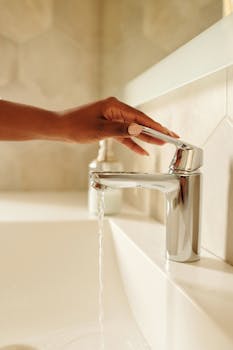
Image by Diva Plavalaguna on Pexels
Plumbing issues can arise unexpectedly, affecting both residential and commercial properties. In a home like Ringwood, it is essential to be aware of common plumbing problems that may occur due to various factors such as poor maintenance, aging infrastructure, or unforeseen circumstances.
Leaky Taps: A Common Problem in Homes of All Ages
One of the most recognizable signs of a leaky tap is water continuously flowing into the sink basin. This issue can be frustrating and costly if left unaddressed. Leaks can occur due to worn-out washers, loose connections, or damaged faucet aerators.
To prevent leaks from happening in the first place, homeowners should regularly inspect their faucets for any signs of wear and tear. A simple tightening of loose connections or replacement of worn-out parts can be done by a professional plumber. Additionally, it is recommended to install low-flow showerheads and toilets to reduce water consumption.
In case of an existing leak, fixing the issue promptly will save water and money in the long run. Here's a step-by-step guide on how to identify and fix common plumbing leaks:
- Identify the source of the leak
- Turn off the main water supply valve
- Shut off the water supply to the affected area
- Use a bucket or tarp to contain any running water
- Inspect the affected area for any damage or mineral deposits
Clogged Drains: A Plumbing Nightmare
A clogged drain can be just as frustrating as an overflowing sink. This issue typically arises when hair, soap, and other debris accumulate in the pipes, causing a blockage.
To avoid clogs from occurring in the first place, it is essential to regularly clean drains using a drain snake or plumber's auger. Here's how:
- Remove any visible obstructions
- Soak the area with hot water
- Use a drain snake to retrieve any remaining debris
In case of an existing clog, it may be necessary to call a professional plumber for assistance.
Low Water Pressure: A Mystery Waiting to Be Solved
Low water pressure in homes can be caused by various factors such as mineral buildup, pipe corrosion, or blocked aerators. This issue can affect both hot and cold water taps, making everyday tasks more challenging.
To resolve low water pressure, homeowners should inspect their pipes for any signs of damage or blockages. Here's how:
- Inspect the pipes for mineral buildup
- Check the aerator for kinking or damage
- Use a pipe snake to clean out any debris
In case of an existing issue, it may be necessary to call a professional plumber to diagnose and fix the problem.
Case Study: Fix-It Right Plumbing's Experience with Leaky Taps
Fix-It Right Plumbing has extensive experience in resolving leaky tap issues. In one instance, a homeowner contacted our service team, reporting a leaky faucet in her bathroom sink. Our technician arrived promptly and diagnosed the issue as worn-out washers and loose connections.
Using specialized tools to tighten the connections and replace the worn-out washers, we were able to fix the leaky faucet within 30 minutes. The homeowner was thrilled with our work and appreciated our prompt attention to detail.
DIY Tips and Tricks
While it is essential to call a professional plumber in case of an emergency, there are some DIY tips that can help prevent plumbing issues:
- Regularly check and maintain your home's pipes
- Use a drain snake or plumber's auger for clogged drains
- Inspect the aerator regularly for kinking or damage
Conclusion
Common plumbing issues in homes like Ringwood require attention to detail and prompt action. By staying informed about common problems, identifying potential causes, and taking preventative measures, homeowners can save money and reduce stress.
In this article, we have covered various aspects of common plumbing issues, including leaky taps, clogged drains, and low water pressure. We hope that the tips provided will be helpful in resolving these issues and maintaining a healthy plumbing system.
Frequently Asked Questions
- Q: What should I do if my pipes are corroded or damaged?
A: It is essential to inspect your pipes for any signs of damage or corrosion. If you find any damage, it is recommended to call a professional plumber for assistance.
- Q: Can I fix low water pressure myself?
A: While it may be tempting to try and fix low water pressure yourself, it is generally recommended to call a professional plumber if the issue persists. Low water pressure can cause significant inconvenience and waste.
- Q: How often should I inspect my pipes for damage or blockages?
A: Regular inspections of your pipes are essential to prevent plumbing issues. It is recommended to check your pipes at least once a year, or more frequently if you notice any signs of wear and tear.
By staying informed about common plumbing issues and taking preventative measures, homeowners can enjoy a healthy and efficient plumbing system.